How to Use Negative Space in Event Design for a More Luxurious Look
In event design, it’s easy to assume that more décor equals more impact. In reality, the opposite is often true.
Some of the most refined, high-end events rely not on abundance—but on restraint. This is where negative space becomes one of the most powerful tools in achieving a luxury aesthetic.
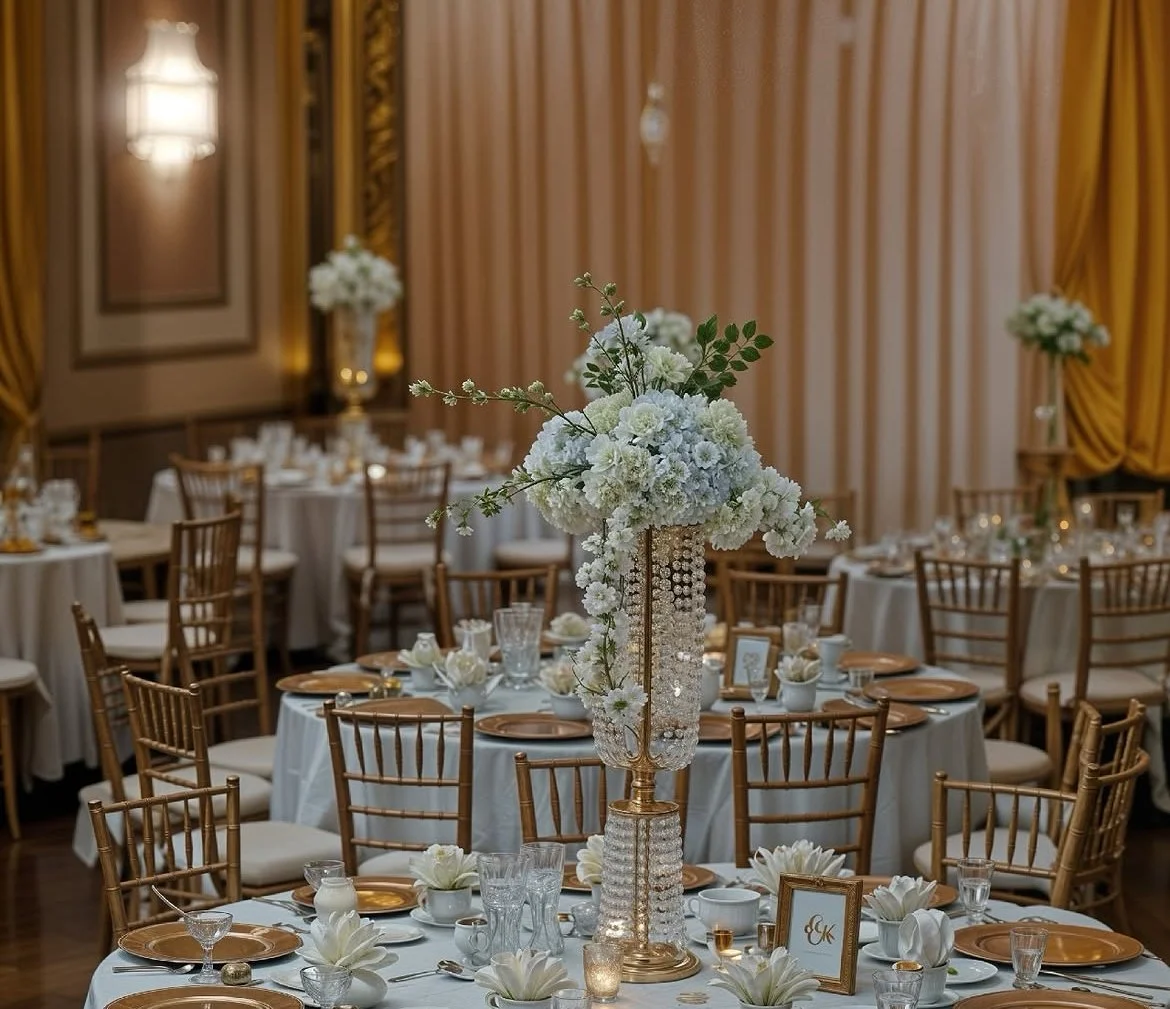
As designers specializing in luxury event design services DMV, we often use negative space to enhance—not reduce—the overall design.
What Is Negative Space in Event Design?
Negative space refers to the intentional areas left undecorated or minimally styled within a design.
Rather than filling every corner, designers allow certain areas to breathe. This creates contrast and helps highlight key elements.
Why Negative Space Feels Luxurious
Luxury is often defined by clarity and intention.
When a space is overcrowded:
The eye has nowhere to rest
Key design elements compete with each other
The room can feel chaotic
Negative space allows:
Statement pieces to stand out
Guests to focus on important moments
The overall design to feel calm and elevated
Highlighting Focal Points
Instead of spreading décor evenly, we concentrate design where it matters most:
Head tables
Ceremony backdrops
Lounge areas
By leaving surrounding areas more minimal, these focal points become more impactful.
Creating Visual Balance
Negative space also improves balance.
For example:
A dramatic floral installation feels more impressive when surrounded by open space
Draping becomes more elegant when not layered excessively
Furniture layouts feel intentional rather than cluttered
Designing With Intention
Using negative space requires confidence. It means trusting that fewer, well-placed elements will create more impact than filling every area.
This approach is a hallmark of experienced designers and is often what separates standard décor from luxury design.
The Luxe Takeaway
Luxury isn’t about how much you add-it’s about how thoughtfully you design.
Through intentional use of space, professional designers create environments that feel elevated, balanced, and visually refined.